
The evolution of fish finders marks a significant shift in fishing practices. Initially grounded in rudimentary sonar technology, these devices have rapidly advanced.
Today's fish finders boast features like GPS, high-definition imaging, and wireless connectivity. This transformation not only enhances catch rates but also enriches the fishing experience.
As technology continues to evolve, one might wonder what future innovations will further change the landscape of fishing.
The historical development of fish finders illustrates a remarkable journey from rudimentary techniques to advanced technology. Initially, fishermen relied on simple methods, such as observing water surface disturbances and using nets to gauge fish presence. The advent of echo sounding in the mid-20th century marked a significant milestone, enabling deeper water exploration.
Early devices used sonar technology to detect underwater objects, paving the way for more sophisticated systems. As electronics advanced, fish finders evolved into portable units with digital displays, providing real-time information about fish locations. The integration of GPS technology further revolutionized their functionality, allowing anglers to mark productive spots and navigate efficiently.
Today, fish finders incorporate advanced imaging capabilities, such as side-scan and down-scan sonar, which offer detailed views of underwater structures and fish behavior. This evolution underscores the continuous pursuit of innovation in the fishing industry, enhancing both recreational and commercial fishing experiences.
Transforming the way fishermen approached their craft, traditional sonar technology emerged as a groundbreaking innovation in the mid-20th century. By employing sound waves to detect underwater objects, this technology allowed anglers to locate fish with unprecedented accuracy. The basic principle involves emitting sound pulses and analyzing the echoes that bounce back from submerged structures and marine life.
Traditional sonar units, often mounted on boats, displayed information on screens, enabling users to visualize the underwater environment. This capability not only improved catch rates but also enhanced safety by revealing underwater hazards.
The introduction of traditional sonar marked a significant shift in fishing practices, moving from reliance on instinct and experience to a more scientific approach. Fishermen began to understand fish behavior and habitats, leading to more efficient and successful fishing expeditions. As a result, traditional sonar technology laid the groundwork for future advancements in fish-finding technology.
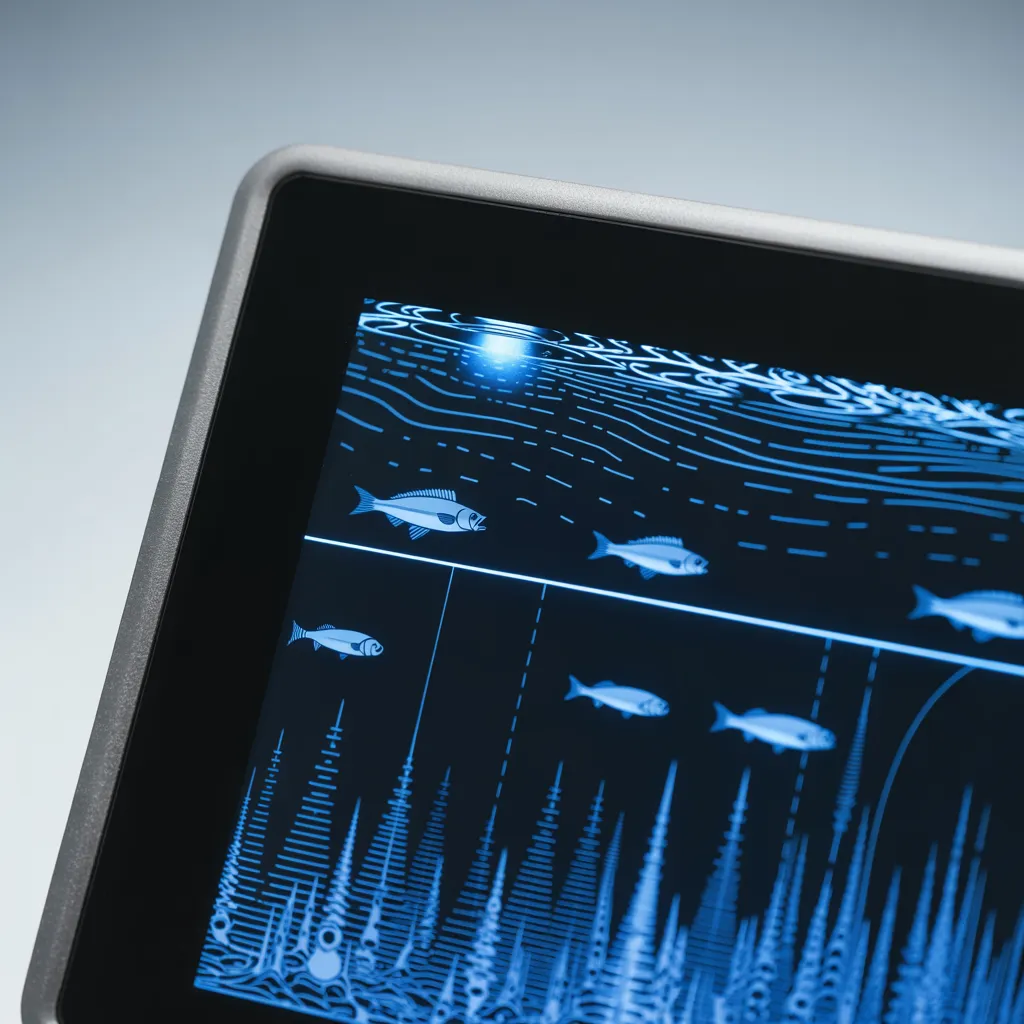
As fishing technology continued to evolve, GPS advancements revolutionized how anglers navigated and fished various waterways. The integration of Global Positioning System technology allowed fishermen to pinpoint their locations with unprecedented accuracy. This capability enabled them to efficiently locate fishing spots, mark waypoints, and return to successful areas with ease.
Moreover, GPS technology facilitated the mapping of underwater structures and vegetation, enhancing the understanding of fish habitats. The ability to overlay GPS data onto digital maps provided anglers with critical insights into seasonal patterns and migratory routes of fish.
Additionally, modern GPS devices often come equipped with features such as real-time weather updates and tide information, further assisting anglers in making informed decisions. Overall, GPS advancements not only improved navigation but also transformed fishing strategies, making it easier for anglers to optimize their time on the water and increase their success rates.
While traditional fish finders relied on basic sonar technology, high-definition imaging has greatly elevated fish detection capabilities. This advanced technology employs sophisticated sonar techniques to produce detailed, crystal-clear images of underwater structures, fish, and other marine life.
By utilizing multiple frequencies, high-definition imaging provides a more thorough view of the underwater environment, allowing anglers to differentiate between species and identify baitfish more effectively. Additionally, the enhanced resolution enables users to discern the size and shape of fish, facilitating more informed decision-making during fishing expeditions.
The ability to visualize underwater features, such as vegetation and rocks, further aids in understanding fish behavior and movement patterns. As a result, high-definition imaging not only increases the chances of successful fishing but also enriches the overall experience by connecting anglers more closely with the aquatic ecosystem. Consequently, it represents a significant leap forward in the evolution of fish finding technology.
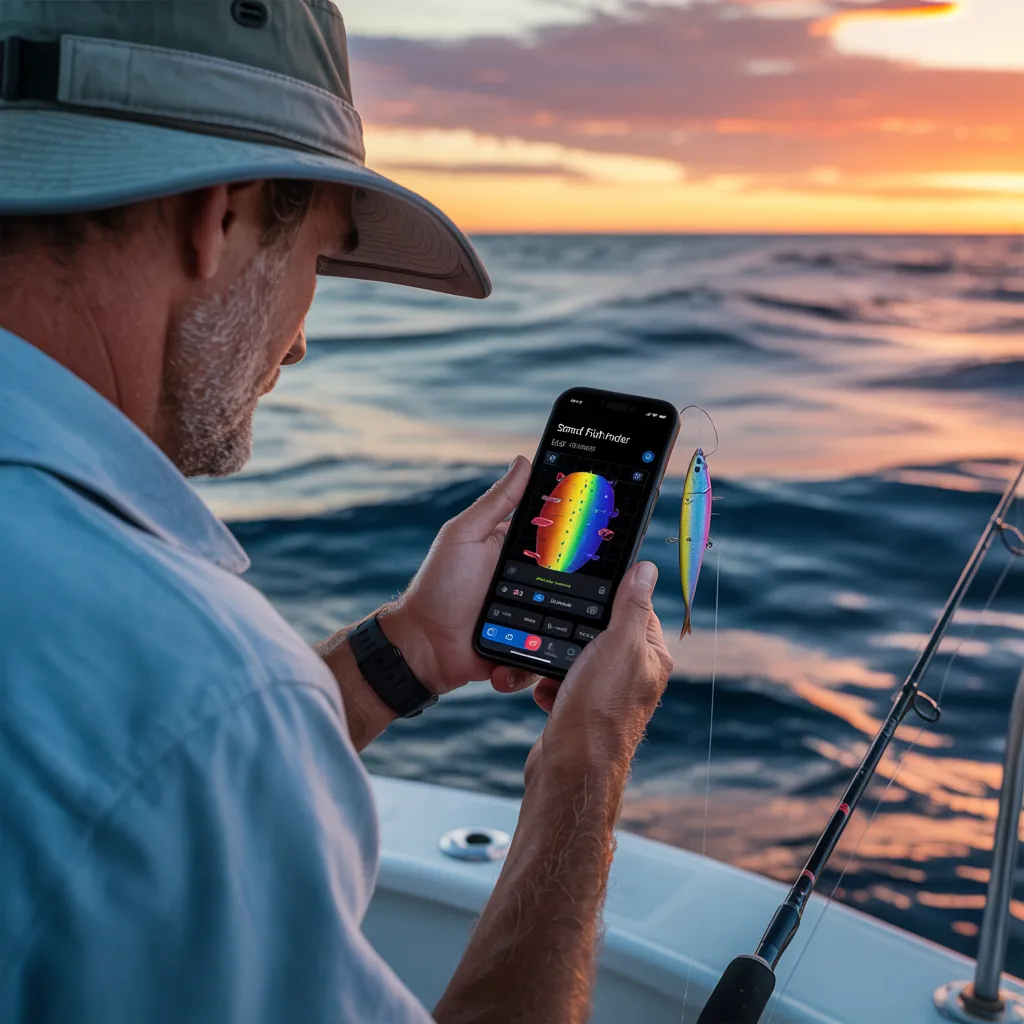
With the rise of Bluetooth technology, modern fish finders have transformed the way anglers connect with their equipment and access essential data. This wireless connectivity allows for seamless communication between fish finders and smartphones, enabling users to receive real-time information without the clutter of wires.
Anglers can easily mount their fish finders and control settings from a distance, enhancing convenience while fishing. Bluetooth also facilitates quicker updates and firmware enhancements, ensuring that devices remain up-to-date with the latest features.
Additionally, the ability to share data with fellow anglers fosters a collaborative fishing experience. Overall, Bluetooth connectivity greatly enhances the functionality and user-friendliness of fish finders, making them indispensable tools for today's anglers.
A growing number of fish finders now integrate seamlessly with smartphone applications, revolutionizing how anglers access and utilize data on the water. These innovations allow users to connect their devices via Bluetooth or Wi-Fi, enabling real-time access to sonar readings, GPS mapping, and weather conditions directly from their smartphones.
Anglers can customize settings, view detailed fish activity, and even save favorite fishing spots through user-friendly interfaces. The convenience of smartphone integration enhances situational awareness, allowing for quicker decision-making on fishing strategies.
Additionally, many apps offer social features that permit sharing experiences with other anglers, fostering a sense of community. This technological synergy exemplifies how traditional fishing methods are evolving to meet modern demands, enhancing the overall fishing experience.
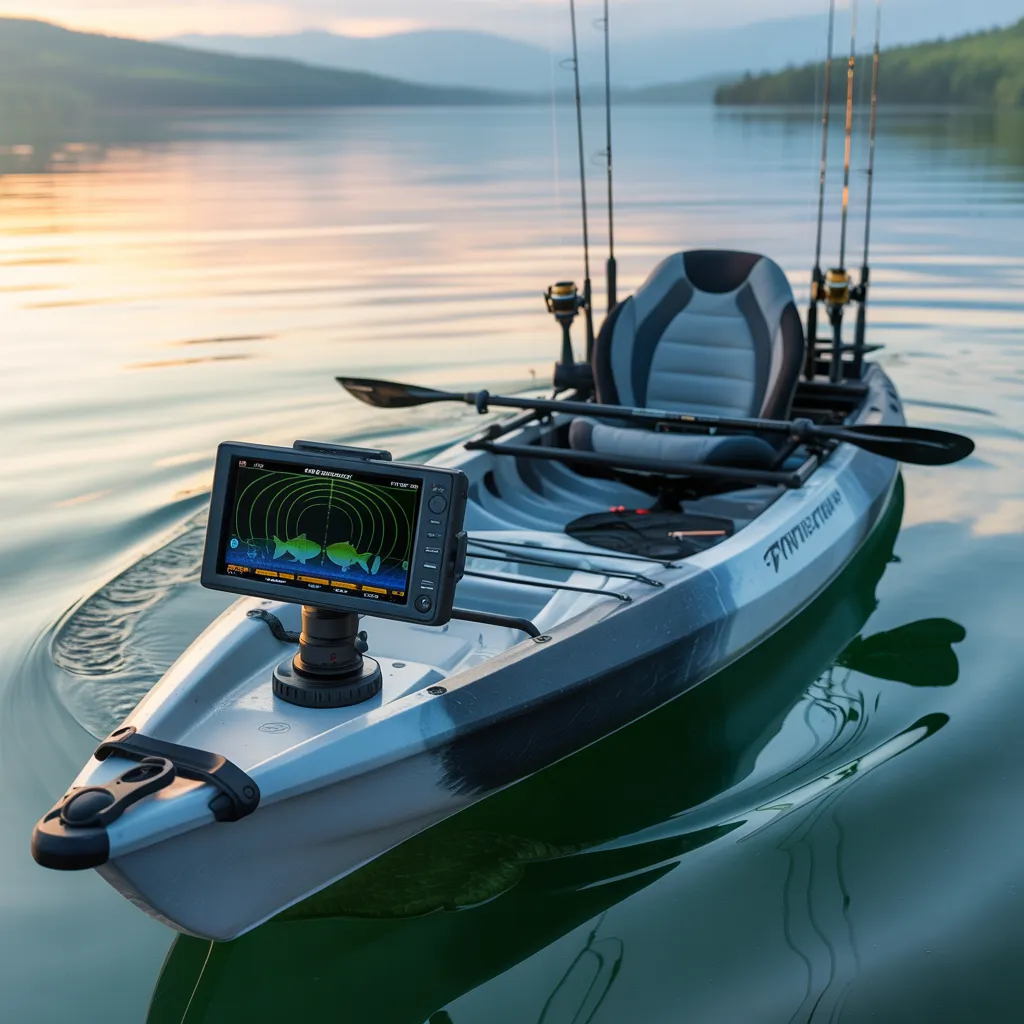
Fish finders can lead to overfishing by enabling easier identification of fish populations, potentially disrupting local ecosystems. Their use may also contribute to habitat degradation, as increased fishing pressure affects marine biodiversity and sustainability.
Weather conditions substantially impact fish finder performance. Heavy rain, strong winds, or turbulent waters can disrupt sonar signals, leading to reduced accuracy. Conversely, calm and clear conditions enhance signal clarity, improving fish detection capabilities.
Early morning and late afternoon are considered the best times for fishing across all seasons. Fish are more active during these periods, seeking food, making them easier to catch for anglers prepared with the right techniques.